
13 min
Music · AWARË
Live concert in Zurich
A live concert performance by AWARË in Zurich.
The recognition that no self, body or living thing exists in isolation, and that healing, for a person or a planet, begins by remembering our belonging to the whole.
Where many paths turn inward toward the self, the Path of Interconnectedness turns toward relationship: the understanding that a human being does not exist as a separate individual but arises in and through connection with other people, other living things, and the earth itself. Its teachers come from very different starting points. Some come from biology and medicine, some from philosophy and economics, some from Indigenous lineages that never forgot this way of seeing. What they share is a single recognition: that the story of separation, of the isolated self in a world of objects, is both mistaken and costly, and that renewal comes not from fixing the world as something outside us, but from restoring our felt belonging to the living whole.
Nothing here is only itself.A central teaching within The Path of Interconnectedness
Compare background, approach and format before choosing a teacher to follow.
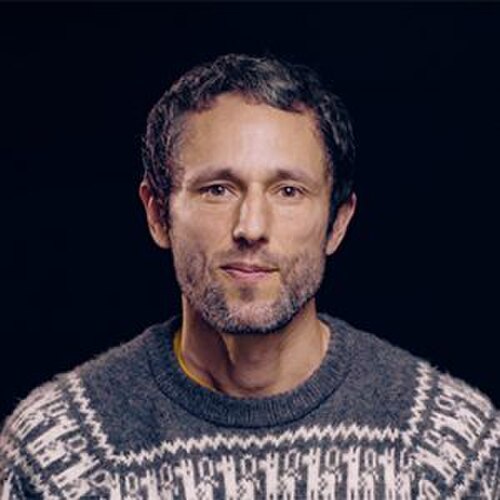
American author and public speaker known for books such as Sacred Economics and The More Beautiful World Our Hearts Know Is Possible, exploring how modern civilization's crises stem from a story of separation from nature and each other.
View profile →
Austrian teacher working on collective and intergenerational trauma, combining contemplative practice with research collaborations in trauma science.
View profile →Nigerian-born writer, psychologist and postactivist thinker known for his work on slowness, fugitivity and the more-than-human world.
View profile →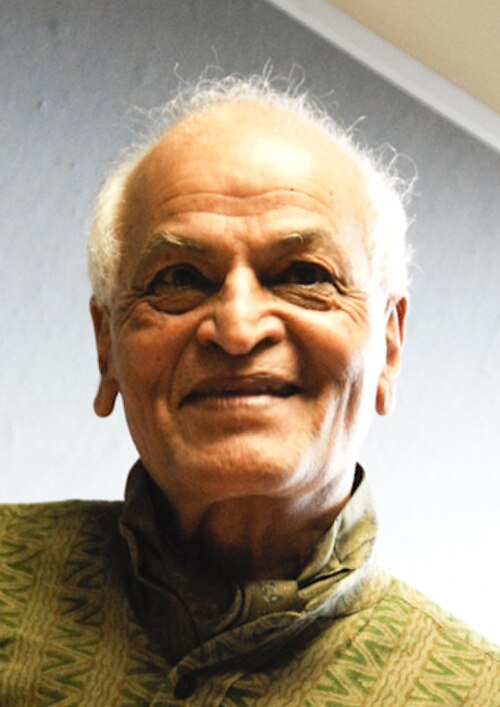
Indian-British peace and ecology activist and former Jain monk, known for his 8,000-mile peace walk to the capitals of the nuclear powers and for founding Schumacher College.
View profile →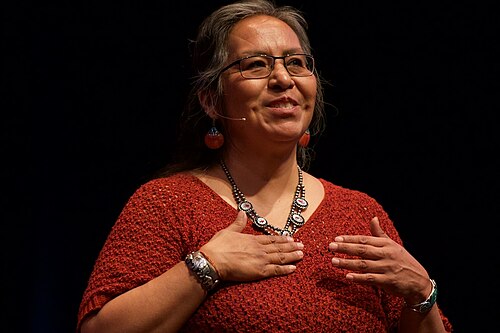
Diné (Navajo) ceremonial leader and voice for Indigenous wisdom in ecological and spiritual gatherings worldwide, known by her spiritual name Woman Stands Shining.
View profile →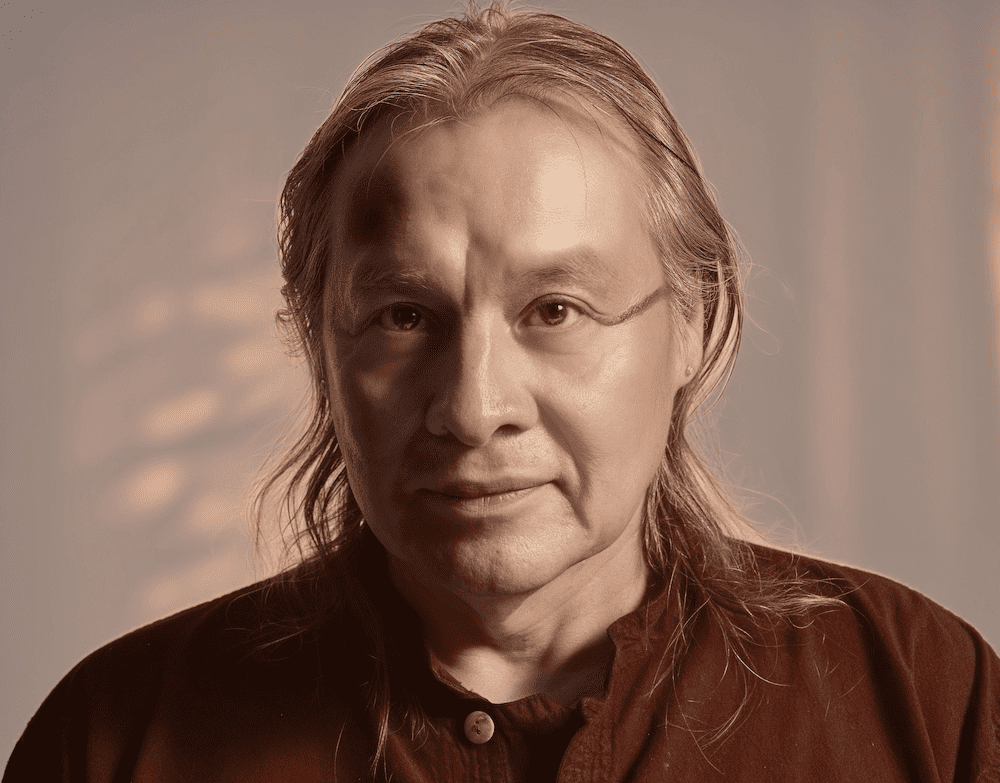
Citizen of the Cheyenne River Lakota Nation and founder of Akantu Intelligence, who hosted First Voices Radio from 1992 until its final broadcast in 2025 and was nominated for the Nobel Peace Prize in 2016.
View profile →Devotional music and chant from within this path, alongside its teachers.
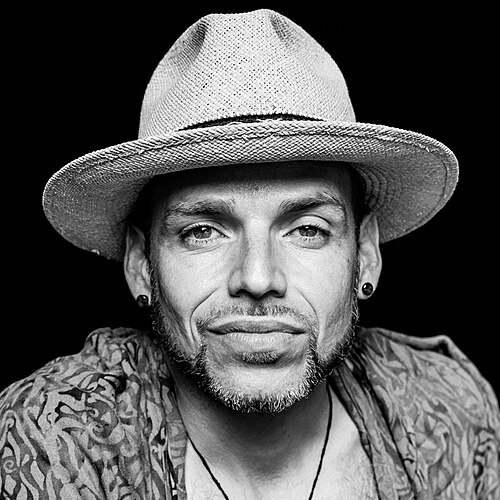
Brazilian-born multi-instrumentalist based in Arizona who builds each performance alone and in real time with looping, layering world percussion, voice, didgeridoo and pre-Columbian flutes into music he offers as ceremony.
View profile →British-Portuguese songwriter from Guernsey whose songs walk into difficulty rather than above it, and who leads Vocal Odyssey, a retreat process in which the voice becomes a way of knowing yourself.
View profile →The project of Krishna-Trevor Oswalt, moving between ambient, neoclassical and electronic music, best known for Music for Mushrooms, a five-hour album written to accompany a full psilocybin session.
View profile →
Californian singer and songwriter whose folk writing is layered with electronic production, singing about the living world and our place in it.
View profile →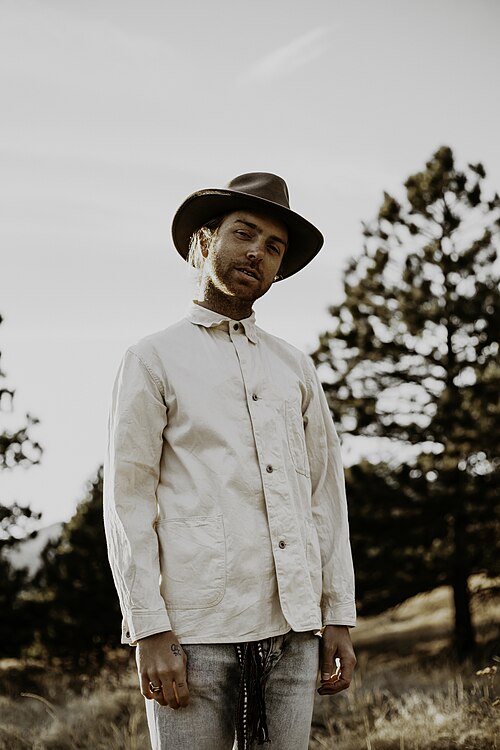
American singer-songwriter whose roots and folk writing carries the Eastern spiritual traditions he encountered as a teenager, threaded through with electronic textures.
View profile →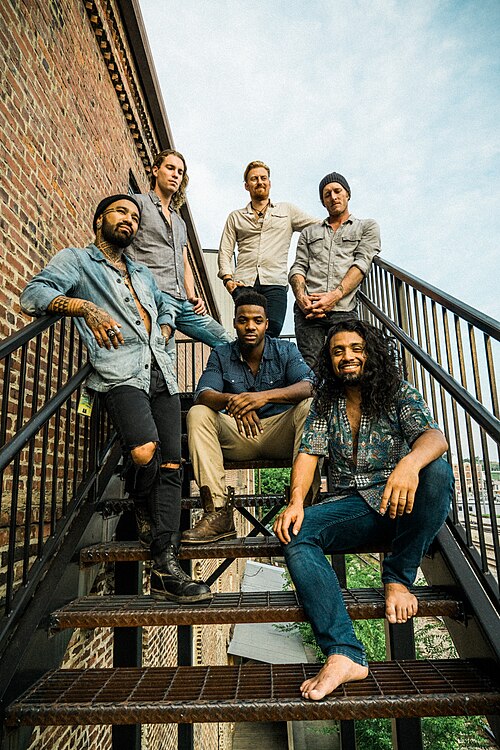
American singer-songwriter and his band, whose songs work through trauma and healing under a phrase he uses himself: music is medicine.
View profile →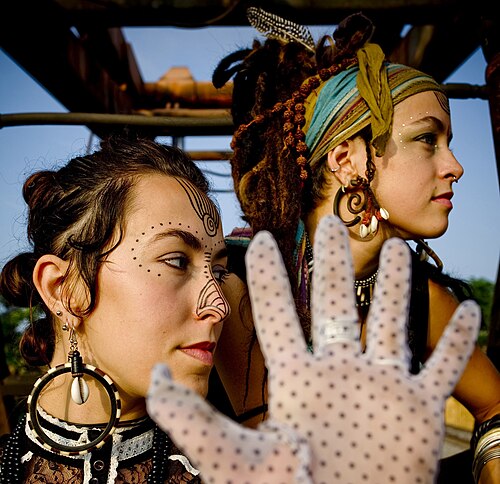
Band led by the sisters Leah Song and Chloe Smith, joining Southern folk and New Orleans music with songs collected on their travels.
View profile →Portuguese instrumental duo whose meditative soundscapes are built to be entered rather than watched, moving from stillness into shared celebration.
View profile →Seattle duo of Masaru Higasa and Pepper Proud, who call their music Cascadian folktronic: acoustic songwriting built into electronic arrangements.
View profile →Australian vocalist and producer working in global bass and world music, whose recent albums were recorded on location across dozens of sites around the world.
View profile →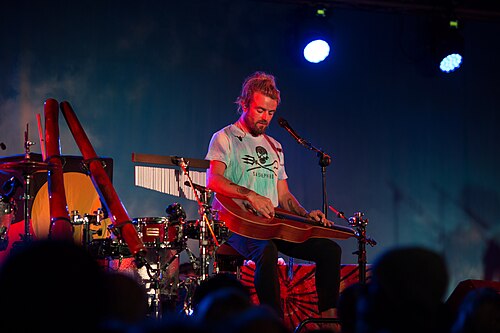
Australian multi-instrumentalist known for playing as a one-man band on stage, in a roots and folk idiom that carries a steady environmental thread.
View profile →American singer-songwriter writing for ensemble and choir, in songs his own site describes as born from loss and from the strength found in leaning into community.
View profile →Retreats, dialogues and online gatherings connected to this path.
Online · Twice-monthly global meditation
Toronto, Ontario, Canada · Concert
Montreal, Quebec, Canada · Concert
Online · Conference talk
Talks and conversations from teachers within this path.
A live concert performance by AWARË in Zurich.
A short documentary portrait of the AWARË music project, filmed around live performances and sacred landscapes.
A full-length live concert film of AWARË performing at the GOAT Community gathering in Portugal.
The official video release for the song Empress.
Voices from this path and the schools within it, playing from the platforms the teachers publish on.
Kimmerer narrates her own essay about the decomposing cedars of the Andrews Experimental Forest in Oregon and what their slow return to soil suggests about death and afterlife.
From the podcast Emergence Magazine Podcast
Listen on emergencemagazine.orgA conversation with Emmanuel Vaughan-Lee about her book The Serviceberry, the Honorable Harvest, and how gift economies differ from economies built on extraction.
From the podcast Emergence Magazine Podcast
Listen on emergencemagazine.orgCapra discusses ideas from his books and the shift from a mechanistic to a systemic, ecological worldview.
From the podcast Earth Charter Podcast: Turning Conscience Into Action
Listen on earthcharter.orgAn Earth Charter International podcast conversation with Shiva about earth democracy and what an ecological civilisation would require.
From the podcast Earth Charter Podcast
Listen on earthcharter.orgThis path draws on ecology, indigenous teaching and contemplative traditions at once; ask where a particular teaching actually comes from, and whether its source is credited.